10 Retirement Planning Habits That Actually Work

“A waterfall begins with just one drop.”
Retirement doesn’t just happen. You don’t wake up one day with enough money to stop working. It takes years of decisions — most of them small, most of them boring, most of them easy to skip.
But those small decisions add up. And the people who retire comfortably aren’t the ones who got lucky. They’re the ones who built the right habits early.
Here are ten habits that work.
The Reality Check
Before we get into the habits, let’s look at where most Americans actually stand.
According to recent data, only about 35% of Americans feel on track for retirement. The median retirement savings for Americans aged 55 to 64 is just $185,000. And roughly 28% of Americans have nothing saved at all.
Meanwhile, the average American spends about 20 years in retirement. And 64% of Americans say they’re more afraid of running out of money than they are of dying.
The gap between what people have and what they need is real. But it’s not too late to close it.
1. Start Saving — Even If It’s Small
The most important step is the first one. Open the account. Set up the automatic transfer. Put something — anything — into it every month.
You don’t need to start with a lot. You need to start. Time is your biggest advantage. A dollar saved at 30 is worth more than a dollar saved at 50 because it has more years to grow.
Here’s what consistent saving looks like over time, assuming a 7% annual return:
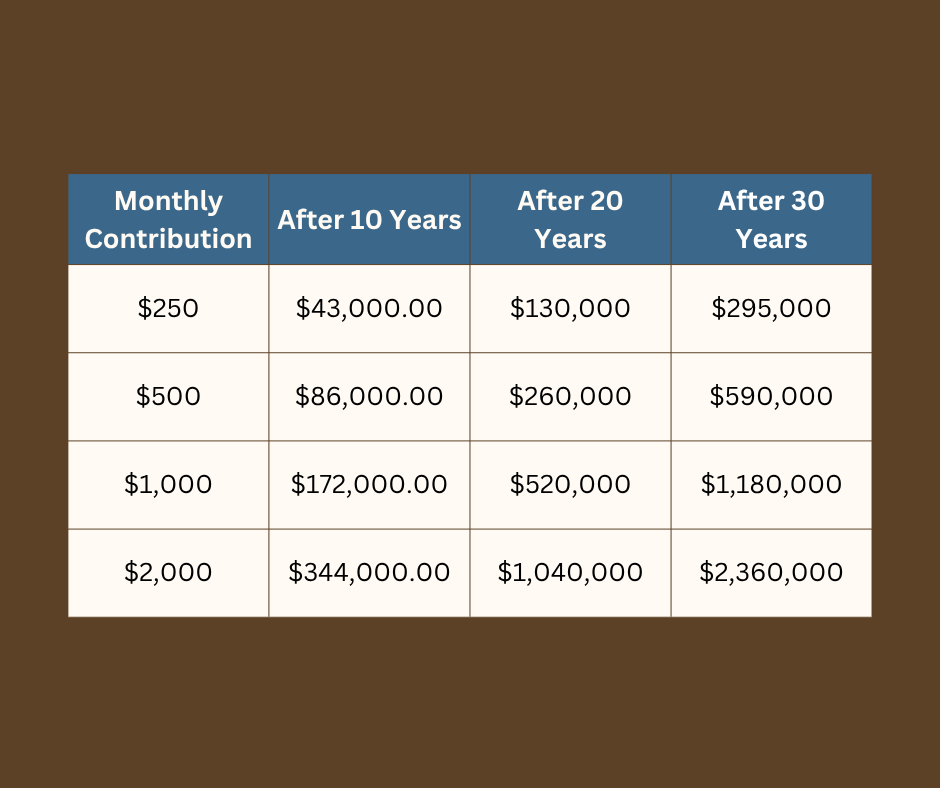
The numbers don’t lie. Time and consistency beat everything else.
If you’re already saving, keep going. If you’re not, today is the day to begin.
2. Know How Much You Actually Need
Most people have no idea how much they need to retire. They pick a number out of thin air — a million dollars, two million — without ever doing the math.
Here’s a rough starting point. Most retirees need 70% to 90% of their pre-retirement income to maintain their lifestyle. If you earn $150,000 a year, that means you’ll need $105,000 to $135,000 per year in retirement.
Now multiply that by 25 or 30 years. That’s your target. It might be higher than you expected. Better to know now than at 64.
For context, Americans currently believe they need about $1.46 million to retire comfortably. Only about 22% of savers have actually crossed the million-dollar threshold.
3. Max Out Your Employer’s Retirement Plan
If your employer offers a 401(k), use it. Contribute as much as you can — at least enough to get the full employer match.
The match is free money. If your company matches 50 cents on the dollar up to 6% of your salary, and you’re not contributing at least 6%, you’re leaving money on the table.
For 2026, the contribution limits are:
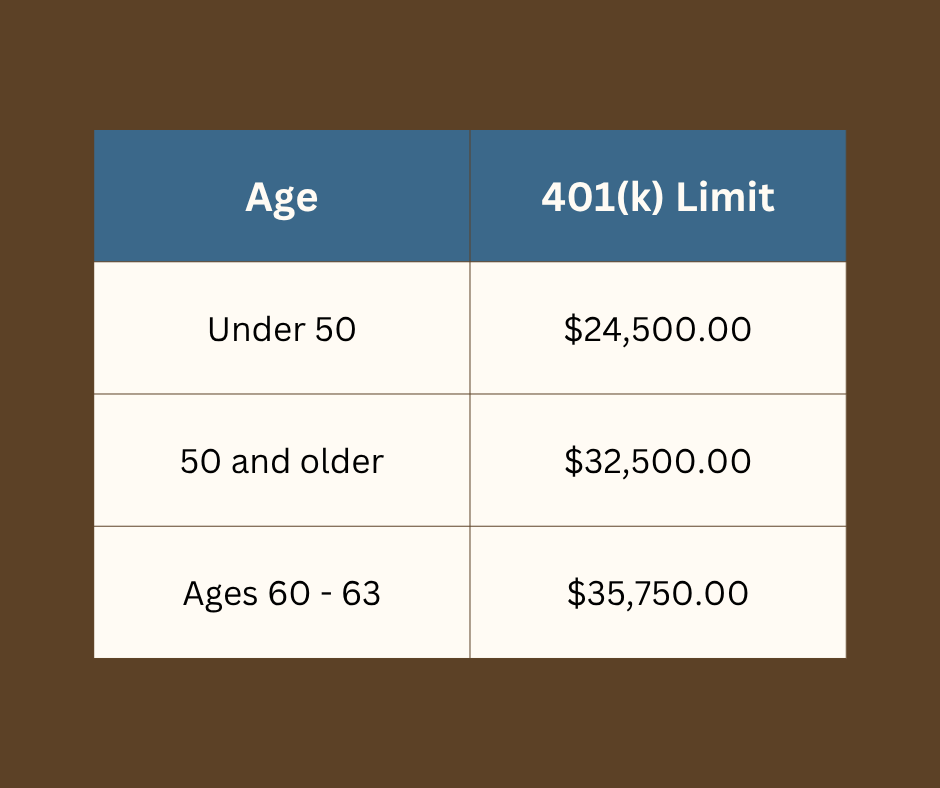
Beyond the match, the tax benefits are significant. Your contributions reduce your taxable income today, and your investments grow tax-deferred until you withdraw them.
4. Understand Any Pension Benefits You Have
Pensions are less common than they used to be, but they still exist — especially in government, education, and some large companies.
If you have a pension, understand how it works. Know what your benefit will be, when you’re vested, and what happens if you leave before retirement. Request a benefit statement so you can see the numbers.
If your spouse has a pension, understand that one too. It could be a significant part of your combined retirement income.
5. Learn the Basics of Investing
How you invest matters almost as much as how much you save. Over 30 years, the difference between a 5% return and a 7% return is enormous.
Here’s what $500 per month looks like at different rates of return over 30 years:
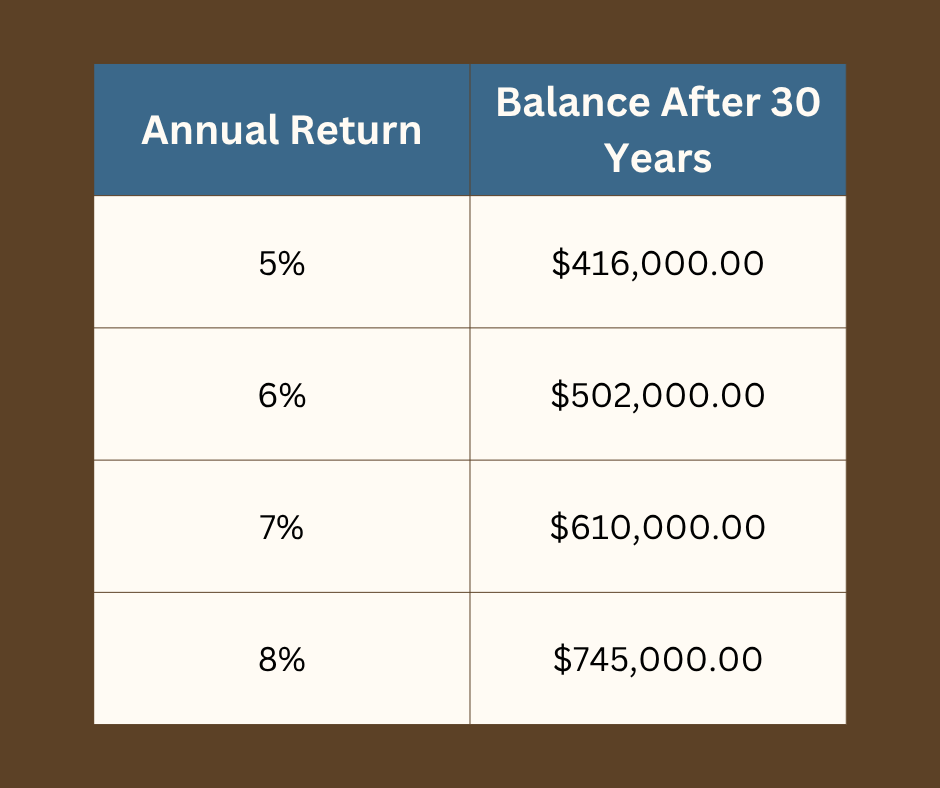
That’s a difference of over $300,000 — just from an extra 3% annual return.
You don’t need to become an expert. But you should understand a few basics: diversification spreads risk, stocks tend to outperform bonds over long periods, and fees eat into your returns.
Know how your 401(k) is invested. Review it at least once a year. And if you don’t understand something, ask.
Real financial planning for real life.
Riverbend is a fee-only, fiduciary advisor. Our plans are personal, shaped by your values and designed to help you build a full life.
Who We Are6. Don’t Touch Your Retirement Savings Early
This is one of the most common — and most costly — mistakes.
When you withdraw money from a retirement account before age 59½, you typically pay income taxes plus a 10% penalty. A $50,000 withdrawal could cost you $15,000 or more in taxes and penalties.
Even worse, you lose the future growth that money would have generated. That $50,000, left alone for 20 years at 7%, would have grown to nearly $200,000.
If you change jobs, roll your old 401(k) into an IRA or your new employer’s plan. Don’t cash it out.
7. Ask Your Employer to Start a Plan
If your employer doesn’t offer a retirement plan, ask them to consider it. There are simple options available — like a SIMPLE IRA or a SEP-IRA — that are easy to set up and maintain.
Here’s a striking fact: workers with access to automatic enrollment in a 401(k) save at rates above 85%. Workers who must open an IRA on their own? Participation drops below 15% — even in the same income brackets.
Access matters. If you’re a business owner yourself, this is even more important. You need a retirement plan — not just for your employees, but for yourself.
8. Open an IRA
Even if you have a 401(k), you can also contribute to an Individual Retirement Account. For 2026, the limits are:
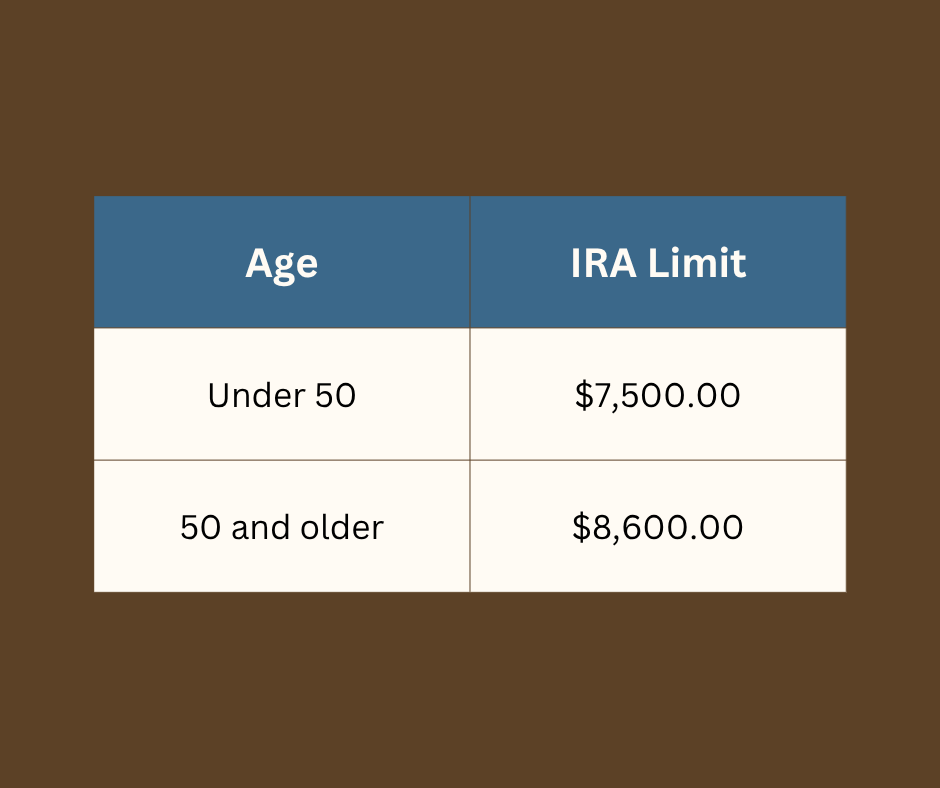
You have two main options: a traditional IRA, where contributions may be tax-deductible and withdrawals are taxed in retirement, or a Roth IRA, where contributions are made with after-tax dollars but withdrawals are tax-free.
Which one is better depends on your situation. But either way, an IRA gives you another bucket of tax-advantaged savings.
9. Know What Social Security Will — and Won’t — Provide
Social Security is a foundation, not a full solution. On average, it replaces about 40% of pre-retirement income. For high earners, it replaces even less.
Go to ssa.gov and create an account. Check your earnings history. Look at your estimated benefit at different claiming ages. Make sure the numbers are accurate — errors happen, and they affect your benefit.
Then build your plan around what Social Security will actually provide — not what you hope it will.
10. Ask Questions
You don’t have to figure this out alone. Talk to your HR department about your benefits. Talk to your bank about your accounts. Talk to a financial advisor about your plan.
The biggest mistakes happen when people don’t ask. They assume they’re on track without checking. They don’t understand their options. They wait too long to get help.
Only about 6 in 10 Americans have any money in a retirement account. Don’t be in the other 40%.
If something doesn’t make sense, ask until it does. Your future self will thank you.
The Bottom Line
Retirement planning isn’t complicated. It’s just a series of habits — saving consistently, investing wisely, avoiding early withdrawals, understanding your benefits, and asking for help when you need it.
The earlier you start, the easier it is. But it’s never too late to begin.


